
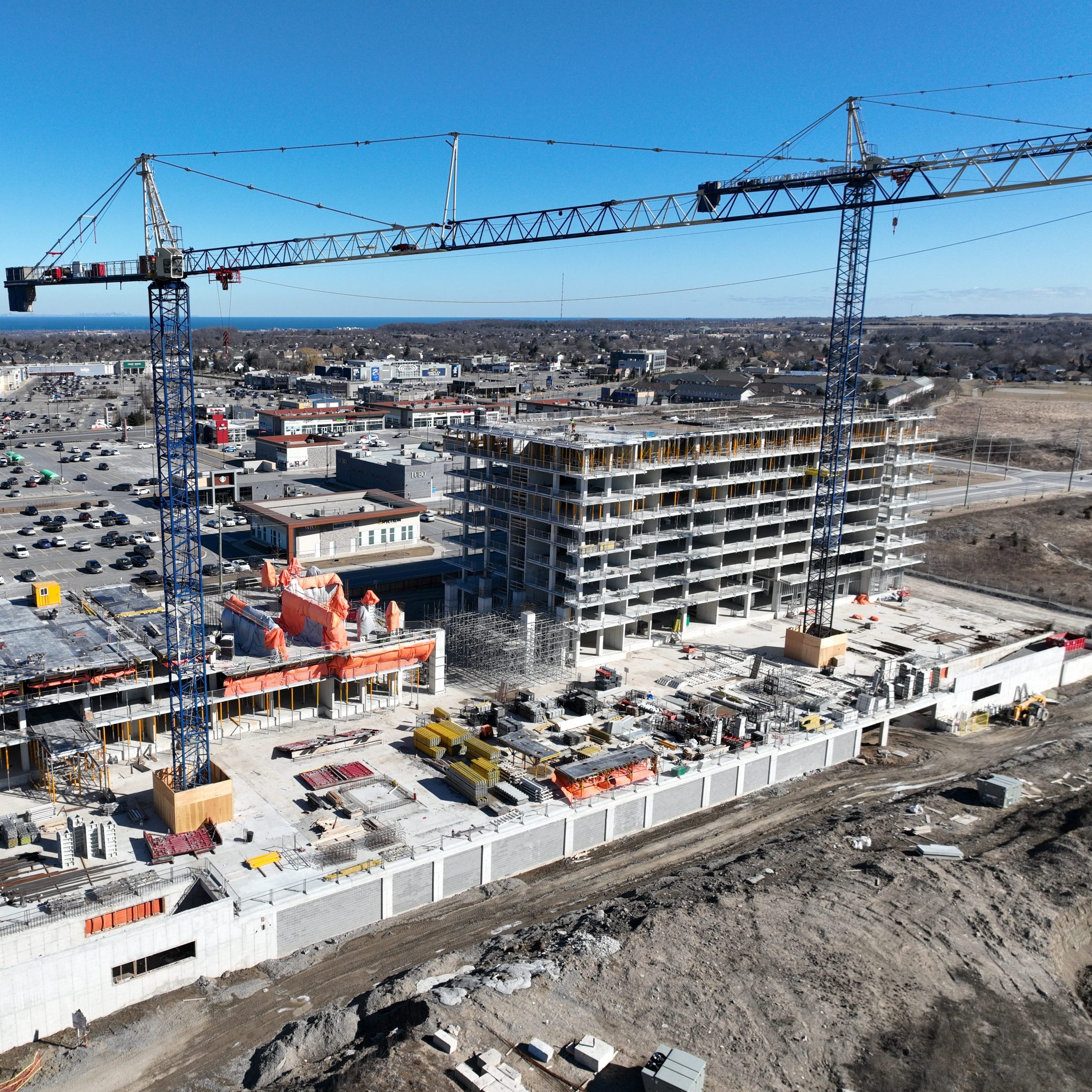
Construction projects, whether towering skyscrapers or vast highways, are a testament to human ingenuity and determination. Yet, traditional methods can be time-consuming, costly, and sometimes dangerous. That’s where drones come in. Far beyond a trendy gadget, they’re transforming surveying, progress tracking, safety…the entire way we build. Let’s explore how!
Taking Construction to New Heights: Key Uses
- Site Surveys: The Old vs. New Traditionally, surveyors trekked with tools, taking days or weeks to map terrain. Now, drones equipped with cameras and LiDAR sensors capture breathtakingly detailed 3D maps in mere hours. This data fuels accurate cut/fill calculations, saving time and preventing costly material misorders.
- Progress Monitoring: From On-Foot to Overhead No more relying on ground-level reports to track progress. Drones soar above, snapping photos and videos with timestamps. Project managers get a bird’s-eye view to ensure adherence to timelines, spot potential delays early, and even provide impressive updates to clients.
- Inspections: Safer and Smarter Forget workers inspecting roofs at peril or shutting down traffic to check bridge structures. Drones carry high-resolution and even thermal cameras, revealing wear and tear or heat loss patterns unseen by the naked eye. This translates to more proactive maintenance and heightened safety.
- Material & Inventory Tracking: Eyes in the Sky For optimal efficiency, materials must be where they’re needed, when they’re needed. Attaching RFID tags to supplies and combining this with drone footage revolutionizes inventory tracking.It helps prevent shortages, reduces waste, and streamlines procurement.
The Benefits Beyond Cool Tech
- Improved Safety: Top Priority Construction has inherent risks. Drones allow for inspections of confined spaces, unstable ground, or precarious heights without putting workers in harm’s way. This is a game-changer, reducing potential accidents and safeguarding lives.
- Boosted Efficiency: Time is Money The speed with which drones gather data is simply unmatched. Site surveys that once took weeks are completed in days.Inspections occur more frequently, catching small problems before they become big ones. The result? Projects stay on schedule, or even finish ahead.
- Reduced Costs: Smart Spending Less manual labor for repetitive tasks, fewer costly errors due to inaccurate data, and the potential to cut insurance premiums due to enhanced safety all add up. Drones save money across the entire project lifecycle.
- Enhanced Decision Making: The Power of Data Visuals are one thing, but drone data can be processed by specialized software. This reveals depth unimaginable before: structural stress points, materials degradation, even optimal traffic flow around a planned site. Armed with this knowledge, construction leaders make better-informed decisions .
Obstacles & The Future
- Regulations: Know the Rules Transport Canada does have rules about drone use near construction sites. Be upfront about it, and link to the official sources for up-to-date info. This fosters responsible integration of drones.
- Data Processing: Turning Visuals into Action Construction firms might need new expertise or partners to fully make sense of the vast data drones provide.Software that generates easy-to-understand reports will be crucial.
- The Next Leap: A Glimpse at the Possibilities While we won’t see “AI construction swarms” tomorrow, envision drones guided by advanced software,potentially even able to do simple tasks onsite alongside the human workforce.
Drones are no longer a novelty in construction – they’re vital tools. Faster, safer, and more precise data collection helps the industry move boldly forward. As adoption spreads, benefits will snowball. Are you a construction professional already reaping the rewards of drone tech? Tell us about it in the comments!