
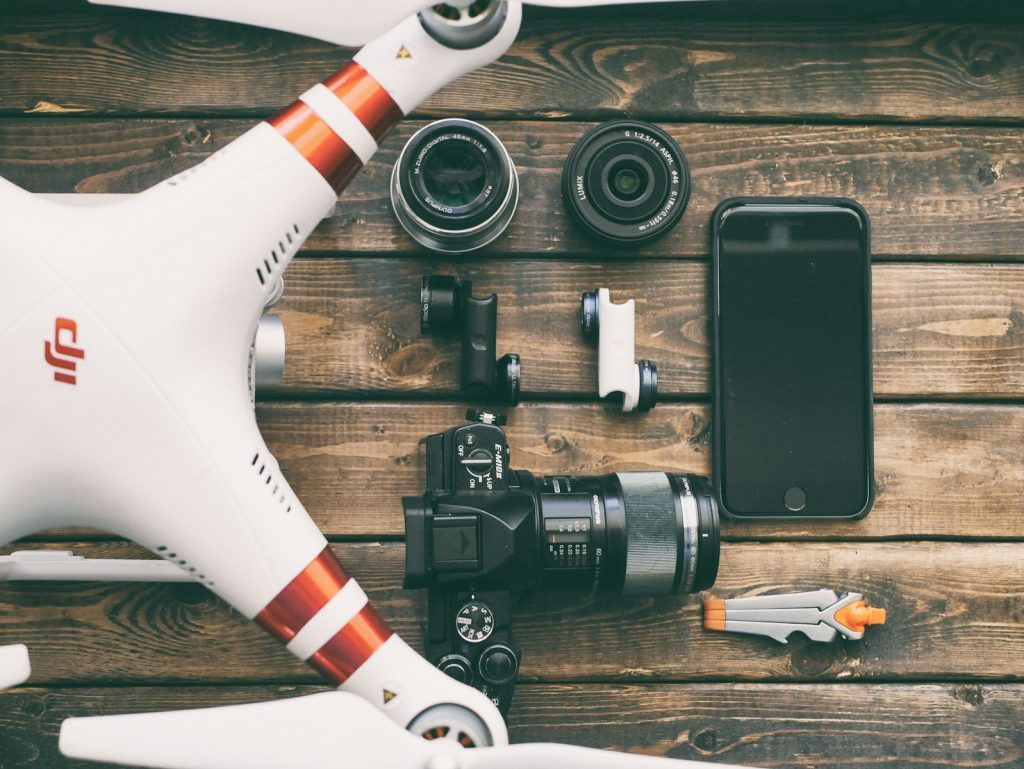
The popularity of drones in Canada is soaring. Whether you want stunning aerial photos, a new business tool, or just pure fun, drones have limitless potential. But before taking flight, knowing Canada’s drone laws is essential for safety and to avoid hefty fines. In this guide, we’ll provide a breakdown of what you need to fly legally and responsibly.
Do I Need to Register My Drone?
If your drone weighs between 250 grams and 25 kilograms, YES, you almost certainly need to register it with Transport Canada. Registration is straightforward and only costs $5. Even if you’re just a hobbyist, registration is likely required alongside a drone pilot certificate (we’ll get to that next).
- How to Register: Visit the Transport Canada Drone Management Portal: https://tc.canada.ca/en/aviation/drone-safety/drone-management-portal
- Displaying ID: You’ll receive a unique registration number. This must be visibly marked on your drone.
Getting Your Drone Pilot Certificate
To fly most drones legally, you’ll need a drone pilot certificate from Transport Canada. There are two types:
- Basic: For simple operations at least 30 meters from bystanders and in uncontrolled airspace. Most pilots need at least this.
- Advanced: If you need to fly closer to people or in controlled airspace, the Advanced certificate is necessary.
To gain either certificate, you’ll need to pass an online exam and be at least 14 years old (16 for Advanced). Here’s how:
- Getting Certified: coming soon!
- Exam Cost: Exams typically cost around $50 or more, depending on where you take them.
Where CAN I Fly Legally?
Let’s start with where you CAN’T fly:
- No-Fly Zones: Airports, heliports, national parks (unless specific drone zone), military bases, etc. Fines for violating these are steep.
- Respect Privacy: Don’t fly over private property without permission, even if not technically illegal.
- Distance Rules:
- Basic Operations: Stay 30 meters from bystanders, 5.5 km from airports, and 1.8 km from heliports.
- Advanced Operations: These are more complex – be certain with your certificate
- Height: Never fly higher than 400 feet (122 meters) above the ground.
- NAV CANADA Tool: To be absolutely sure before flight, use this:https://nrc.canada.ca/en/drone-tool/
What ELSE Do I Need to Know
- Visual Line of Sight: Be able to see your drone at all times, don’t let it disappear behind buildings etc.
- Daylight Flights: Basic pilot rules only allow flying during daylight hours.
- Reckless/Careless: Don’t endanger people or property (flying over crowds, roads, etc.)
- Insurance: Check your homeowner’s policy or consider specific drone insurance for extra peace of mind.
Additional Resources
- Transport Canada (Main Drone Page): https://tc.canada.ca/en/aviation/drone-safety
Conclusion
Drones are an incredible technology, offering new possibilities for creativity and work. Flying safely and legally not only keeps everyone protected but also helps build a good reputation for the drone community. As your drone journey progresses, be sure to consult Transport Canada for regulatory updates. Happy flying!